

Gum Disease & Heart Health – Tappan, NY
Your Overall Wellness Matters
Gum disease does not only affect your oral health. Although inflammation and bleeding may start in your mouth's soft tissues, the infection can spread to other parts of your body, causing harmful side effects. In the 35 years that Dr. LaCap has spent treating patients, she has seen the effects on patients’ overall health. As a chronic inflammatory condition, gum disease can affect vital organs, including the heart and surrounding blood vessels.
Since pain is often not associated with gum disease, symptoms can remain untreated for years, allowing the infection to worsen and cause further damage. Once teeth become loose and gums become tender, likely, the disease is already in its advanced stages.
This is why it is crucial to understand the link between gum disease and heart health and how you can protect yourself.

How Gum Disease Affects the Body
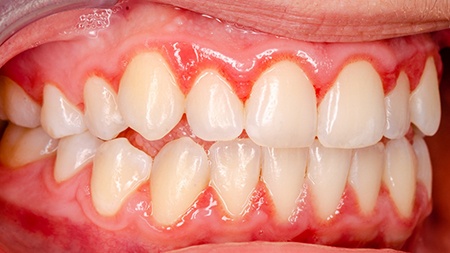
Gum disease, also known as periodontal disease, is an inflammatory condition caused by bacterial accumulation below the gumline that targets the soft tissues in your mouth. When regular brushing and flossing are not maintained, and frequent professional cleanings are missed, the problem intensifies, triggering a serious inflammatory response that does not remain contained.
As a result, some of the following symptoms can occur:
- Your gums may begin to bleed and become inflamed
- Bacteria begin to enter your bloodstream
- Inflammation increases throughout your body
- Blood vessels surrounding your heart can become damaged and stressed
When inflammation develops in and around the heart, it is known as cardiovascular disease.
What the Research – and Clinical Experience – Show
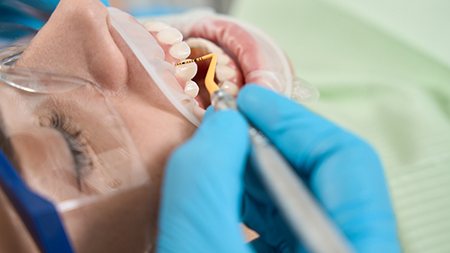
Researchers have spent years studying the connection between gum disease and heart health. Large studies indicate that gum disease is closely tied to heart disease, stroke, and plaque buildup in the arteries (atherosclerosis).
In addition to research, clinical experience also holds significant weight, which is why Dr. LaCap often sees two different patterns among her patients:
- Those whose gum disease is identified in its earliest stages because of regular preventive care and periodontal maintenance. This allows the condition to remain under control.
- Those who do not seek professional care when symptoms arise and eventually discover they have advanced gum disease, which causes bone loss and overall health problems.
Why Bleeding Gums are a Medical Warning Sign
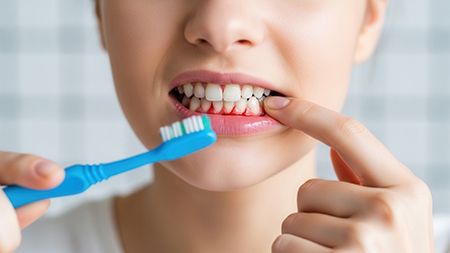
While you might think bleeding while brushing your teeth or flossing is “normal,” it is not. In fact, it is the most frequently overlooked symptom and indicates active inflammation. It is also the reason for gum recession and bacterial access to your bloodstream.
When considering how inflammation in the mouth relates to the heart, it’s easy to see why bleeding is a more serious cause for concern. It means there is increased inflammation throughout the body, so it’s important not to dismiss bleeding gums.
Understand Your Gum Disease Risk
Early vs. Advanced Gum Disease: Why Timing Matters
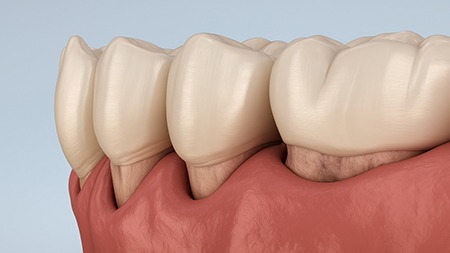
There are two different stages of gum disease: early and advanced. Symptoms of early gum disease include mild inflammation and little or no bone loss. If caught early, these symptoms can be reversed with regular professional care and improved at-home oral hygiene.
Advanced gum disease, or periodontitis, often leads to significant bone loss, gum recession, loose teeth, uncontrolled infection, and increased systemic inflammation.
When talking to patients, Dr. LaCap admits that one of the hardest aspects is relaying how early prevention could have prevented damage caused by advanced gum disease.
This is why regular visits to a dentist for periodontal evaluations and cleanings, even when there is no pain, are essential.
Learn About Periodontal Therapy
The Link Between Gum Disease and Cardiovascular Risk?

The close link between gum disease and cardiovascular risk is driven by chronic inflammation. When bacteria attack the gum tissues, swelling persists, keeping the immune system activated. As a result, your blood vessels experience inflammatory stress, which increases the risk of cardiovascular issues, such as a heart attack, stroke, etc.
It’s important to monitor and control oral inflammation to maintain better overall health.
Who Should Be Especially Concerned About Gum Disease?
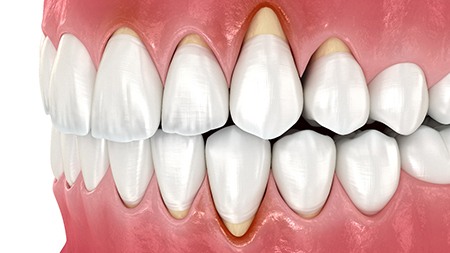
Gum disease does not discriminate; however, certain risk factors increase a person’s chances of developing it. These include:
- Anyone over the age of 40
- Individuals who currently smoke or have smoked in the past
- Those who have not exhibited consistent dental care
- Patients who are living with diabetes
- Patients who have a family history of heart disease or are currently living with it
Preventive and periodontal dental care are essential to achieving good oral and overall health.
How Preventive Dental Care Supports Heart Health

If you are wondering how preventive dental care plays a role in supporting overall heart health, here are a few things to consider:
- Regular dental checkups and cleanings remove bacterial accumulation above and below your gumline
- Frequent dental care monitors oral inflammation and bone density levels
- Early intervention reduces the risk of irreversible damage and the potential spread into your bloodstream, affecting other areas of your body, including the heart
Six-month dental checkups and cleanings, along with regular periodontal charting and examinations, can minimize inflammation throughout your body.
Learn More About Dental Cleanings
What This Means for You as a Patient

As a patient of Smile More Dentistry, if you show any of the following signs or symptoms, you should consider a periodontal evaluation to stay on top of your oral and overall health and hygiene.
Don’t wait to seek professional help if you:
- Are living with heart disease or exhibiting other similar risk factors
- Have not visited your dentist within the past year
- Have gum disease but have yet to seek treatment
- Notice your gums are bleeding
Gum Disease Care in Tappan, NY
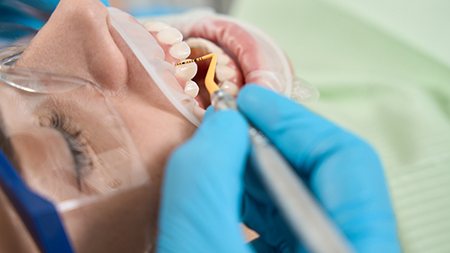
You can expect top-tier gum disease care in our Tappan, New York, office. Providing superior service to our patients, we offer preventive and periodontal treatment throughout Rockland County. If you want to be proactive by taking a whole-health approach to your dental care, don’t wait to schedule an appointment with our office today!
845-359-1763
A Final Thought From Me as Your Dentist

As your dentist, I have spent decades practicing, helping patients regain their oral and overall health. However, one thing remains clear:
Having healthy gums doesn’t just save your teeth from becoming loose or falling out – it means being able to support your long-term overall health.
Early intervention of gum disease not only reduces your risk of cardiovascular concerns but also protects your smile and overall well-being.
Do not hesitate to contact our office if you have any questions or concerns.