

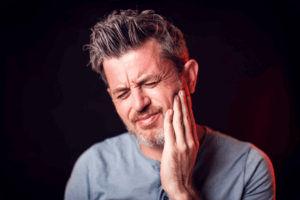
Jaw discomfort, clicking and popping sounds, or frequent headaches may not seem like serious concerns at first—after all, who doesn’t get a migraine every once in a while, or pop their jaw unexpectedly? However, these recurring symptoms can be a sign of temporomandibular joint (TMJ) disorder, which if left untreated, can spell bad news for your smile and overall health. Here’s more about why, if you suspect you have TMJ disorder, you shouldn’t hesitate to seek treatment.
What Exactly Is TMJ Disorder?
The temporomandibular joints allow your jaw to move smoothly when you speak, chew, smile, and yawn, or do any other motion with your mouth. TMJ disorder, sometimes shortened as TMD, occurs when these joints or the surrounding muscles become strained, misaligned, or inflamed. Symptoms can range from mild discomfort to chronic pain and functional limitations; some people don’t even realize there’s an issue, while others deal with chronic pain or disabilities for years.
Why Is Ignoring TMJ Disorder Risky?
There are many reasons why you shouldn’t ignore TMD, including:
- Chronic Jaw Pain Doesn’t Heal on Its Own – What starts as occasional soreness can turn into persistent pain in the jaw, face, and neck. Over time, untreated TMD can make everyday activities like eating and speaking uncomfortable.
- Migraines & Headaches Can Be Brutal – TMJ dysfunction often contributes to tension headaches and migraines, which can radiate pain to the temples and behind the eyes, interfering with daily life. Tinnitus, or ear-ringing, is also a common symptom.
- Tooth Damage & Enamel Wear – TMJ disorder is frequently associated with teeth grinding or clenching, also called bruxism. This can cause enamel erosion as well as chipped or cracked teeth.
- Limited Jaw Movement & Locking – As TMJ disorder progresses, you may experience stiffness, popping, clicking, or locking of the jaw. In severe cases, opening or closing the mouth fully can become difficult or even painful.
- Changes in Your Bite Pattern – Untreated TMJ disorder can alter how your upper and lower teeth fit together. These bite changes can increase stress on certain teeth, as well as the jaw joints. Believe it or not, it can even lead to obstructive sleep apnea!
The bottom line is, TMJ disorder doesn’t just impact your mouth—it can interfere with your overall wellbeing and quality of life. The earlier TMJ disorder is diagnosed and managed, the easier it is to prevent long-term damage and discomfort!
About the Practice
Under the leadership of Dr. Mariliza LaCap and Dr. Darren Tong, our team here at Smile More Dentistry has served the needs of patients and families in Tappan and the nearby communities for several years. In addition to a wide variety of preventive, cosmetic, and restorative dental services, we also offer TMJ treatment services, including equilibration and occlusal adjustments. If you have any questions about the blog or need to schedule an appointment for yourself or a loved one, call or visit us online for more information or assistance. Telephone: (845) 675-1512.